

Guard Locking Safety Switch: When Do You Need One?
A guard locking safety switch is an important part of industrial machine guarding. It helps prevent access to hazardous machine areas until the required safety conditions have been met. But when is a standard safety interlock sufficient, and when do you need a guard locking switch? This guide explains the working principles, locking modes, application scenarios, and key selection factors.
Choose a guard locking safety switch when a guard door can be opened while hazardous motion or stored energy still exists after a stop command. If the hazard disappears as soon as the machine stops, a standard non-locking safety interlock may be enough.
On This Page
- What Is a Guard Locking Safety Switch?
- Locking vs. Non-Locking: The Core Difference
- Two Locking Modes: Power-to-Lock vs. Power-to-Unlock
- When Do You Actually Need a Guard Locking Switch?
- How to Choose the Right Guard Locking Safety Switch
- Common Mistakes When Selecting a Guard Locking Switch
- Frequently Asked Questions (FAQ)
- Conclusion
What Is a Guard Locking Safety Switch?
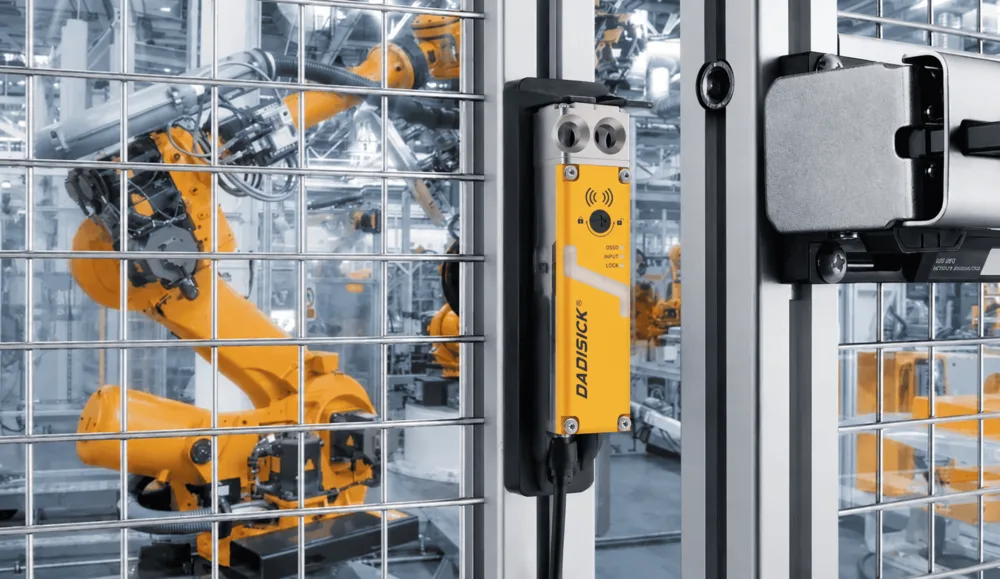
A guard locking safety switch is a safety device that monitors the position of a machine guard and keeps the guard locked until access is considered safe.
Unlike a standard non-locking safety interlock, a guard locking switch includes a locking mechanism that prevents the protective door from being opened while hazardous machine conditions may still exist.
This function is particularly important for machinery with long stopping times, rotating components, or processes involving residual energy.
- Monitors whether the guard is closed.
- Holds the guard closed when hazardous conditions remain.
- Releases the guard only under defined safety conditions.
Locking vs. Non-Locking: The Core Difference
A non-locking safety interlock monitors whether a machine guard is open or closed. When the guard is opened, the safety control system initiates the appropriate safety response, such as stopping hazardous machine movement.
However, a non-locking switch does not physically prevent the guard from being opened before the machine reaches a safe condition. A guard locking safety switch adds a locking mechanism to hold the guard closed until the required release conditions are met.
| Feature | Non-Locking Safety Switch | Guard Locking Safety Switch |
|---|---|---|
| Guard position monitoring | Yes | Yes |
| Physical locking mechanism | No | Yes |
| Prevents premature guard opening | No | Yes, when properly configured |
| Long machine stopping times | May require additional protective measures | Often suitable |
| Typical application | Machines with low residual risk after stopping | Machines requiring delayed or controlled access |
The right solution depends on the machinery risk assessment, stopping time, access requirements, and the design of the complete safety control system.
Two Locking Modes: Power-to-Lock vs. Power-to-Unlock
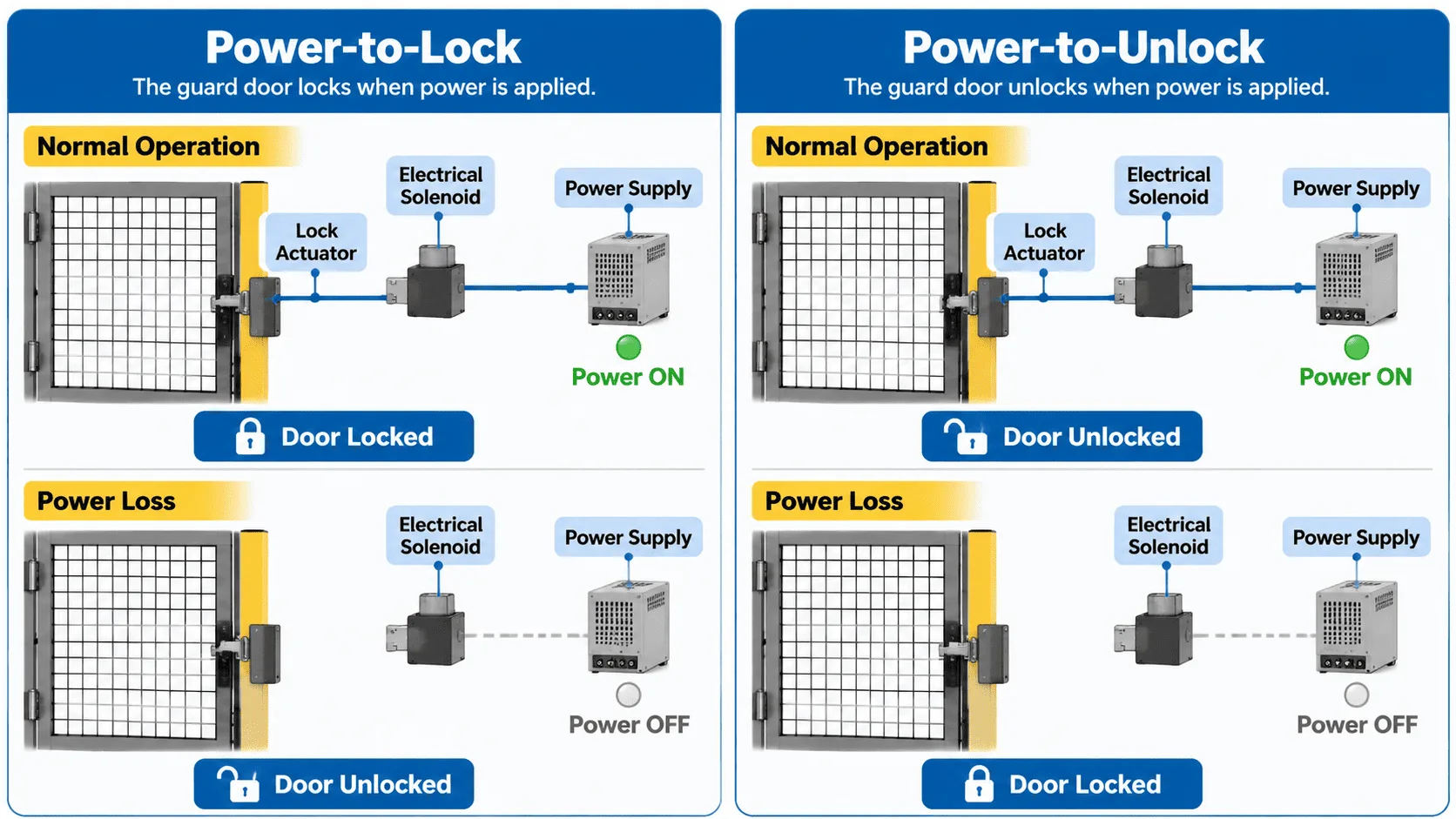
Guard locking switches can use different operating principles. Two common configurations are power-to-lock and power-to-unlock, also commonly called power-to-release. Understanding how each mechanism behaves during normal operation and power loss is essential when selecting a suitable safety switch.
Power-to-Lock
Electrical power engages the locking mechanism. When power is removed, the mechanism releases the guard, depending on the device design.
This arrangement may be suitable where unlocking during power loss is acceptable and other safety measures address the remaining hazards.
Power-to-Unlock (Power-to-Release)
Electrical power releases the locking mechanism. Without power, the guard generally remains mechanically locked.
This principle can be useful for machinery with long stopping times or residual mechanical energy.
Neither operating mode is universally safer. The correct choice must consider emergency escape requirements, power failure conditions, residual hazards, and the manufacturer's specifications. Always verify the actual locking and release behavior in the product datasheet before installation.
When Do You Actually Need a Guard Locking Switch?
A guard locking safety switch may be necessary when opening a machine guard could expose workers to hazards that remain present after a stop command.
Machinery with Long Stopping Times
Some machines continue moving after power is switched off, including flywheels, centrifuges, large rotating equipment, and high-speed production machinery.
Guard locking can help prevent access until the machine reaches a safe condition.
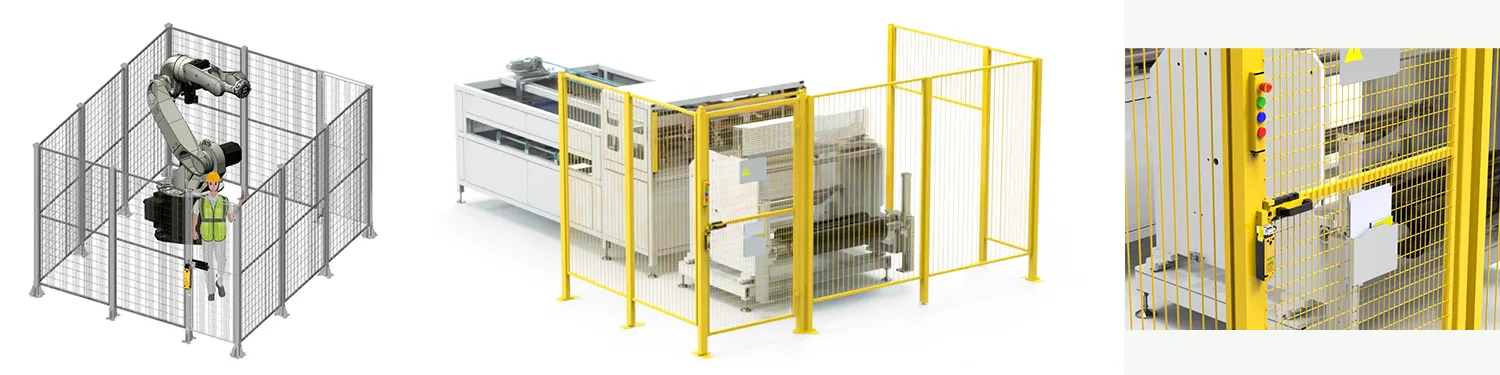
Robotic Cells and Automated Production Lines
Industrial robots and automated machinery may continue moving during their stopping sequence.
When operators can enter a hazardous area through an access door, guard locking may be required to prevent premature entry.
Machines with Residual Energy
Certain machines retain hazardous energy even after the main power supply is disconnected, including mechanical, hydraulic, pneumatic, or other stored energy.
The guarding system must account for these hazards before allowing access.
Applications with Frequent Human Access
Some production processes require operators to enter guarded areas for inspection, material replacement, cleaning, or maintenance.
If hazardous conditions cannot be eliminated immediately after a stop command, a guard locking device may provide an additional protective measure.
How to Decide from a Risk Assessment
The decision should be based on a machinery risk assessment, taking into account:
- The severity of potential injury.
- The time required for hazardous motion to stop.
- The presence of residual or stored energy.
- The frequency and type of operator access.
- The possibility of bypassing or defeating protective devices.
A qualified machinery safety professional should determine the appropriate protective measures for the specific application.
How to Choose the Right Guard Locking Safety Switch
Selecting the right guard locking safety switch requires more than checking the locking force or the number of contacts. The device must be compatible with the machine's risk assessment and safety control architecture.
Locking Force
Check the required holding force so the guard cannot be opened under expected mechanical loads. Consider guard design, installation conditions, external forces, and the manufacturer's specified holding force.
Locking Principle
Determine whether power-to-lock or power-to-unlock operation is more appropriate. Consider power failure behavior, emergency escape, and residual hazards.
Safety Contacts and Outputs
Check the available safety contacts or electronic safety outputs, their switching characteristics, and compatibility with the safety relay or safety controller.
Environmental Protection
Select an appropriate enclosure protection rating for the installation environment, including dust, moisture, oil, cleaning agents, vibration, and temperature variations.
Emergency and Manual Release
If a person could become trapped inside a guarded area, evaluate whether an emergency escape release or auxiliary manual release is required.
Installation and Compatibility
Verify actuator alignment, mounting dimensions, door movement, electrical connections, and compatibility with the existing machine safety circuit.
Always consult the manufacturer's datasheet and installation instructions before selecting or installing a safety interlock.
Common Mistakes When Selecting a Guard Locking Switch
Choosing an unsuitable guard locking safety switch can reduce the effectiveness of a machine guarding system. Avoid these common mistakes:
Confusing RFID Detection with Guard Locking
An RFID safety interlock can provide coded actuator detection and help reduce unauthorized bypassing. RFID coding does not automatically mean the device has a physical locking mechanism.
Ignoring Machine Stopping Time
A machine may continue moving after a stop command. Selecting a non-locking switch without considering stopping time can leave operators exposed to residual hazards.
Choosing Based Only on Holding Force
A higher holding force does not automatically make a switch suitable for every application. Consider the complete guard design, mechanical loads, and installation requirements.
Overlooking Emergency Escape Requirements
If personnel can enter a guarded area, consider accidental entrapment and determine whether an emergency escape mechanism is necessary.
Assuming the Switch Alone Ensures Compliance
A safety switch is only one component of a machine safety system. Risk assessment, safety control design, installation, validation, and maintenance are also essential.
Frequently Asked Questions (FAQ)
What is the difference between a safety interlock and a guard locking switch?
A standard safety interlock monitors the position of a protective guard. A guard locking switch additionally prevents the guard from being opened until the required release conditions are met.
Does every industrial safety door need a locking switch?
No. The need for guard locking depends on the machinery risk assessment, stopping time, residual hazards, and operator access requirements.
What happens if power is lost in a guard locking safety switch?
The behavior depends on the locking principle and mechanical design. Power-to-lock devices generally release when power is lost, while power-to-unlock devices generally remain locked. Always check the manufacturer's specifications.
Can an RFID safety switch replace a guard locking switch?
Not necessarily. An RFID safety switch provides coded actuator detection, but it does not automatically provide physical guard locking. The required functions must be evaluated separately.
Which standards are relevant to guard locking safety switches?
ISO 14119 addresses the design and selection of interlocking devices associated with guards. ISO 13849-1 addresses the design of safety-related parts of control systems. Applicable requirements depend on the machine and its risk assessment.
Conclusion
A guard locking safety switch is an important component of machine guarding systems where hazardous conditions may remain after a stop command.
By understanding the differences between locking and non-locking interlocks, evaluating the appropriate locking principle, and considering stopping time, residual energy, and access requirements, machine designers can make more informed safety decisions.
DADISICK provides safety interlock switch devices for different machine guarding applications, including the DK-OX-W3 locking safety interlock. Whether your project requires RFID-based non-contact detection or a guard locking solution, selecting the appropriate device is essential for effective machine safety.